Application Deadline: April 28, 2026.
LOCATION: Rwanda
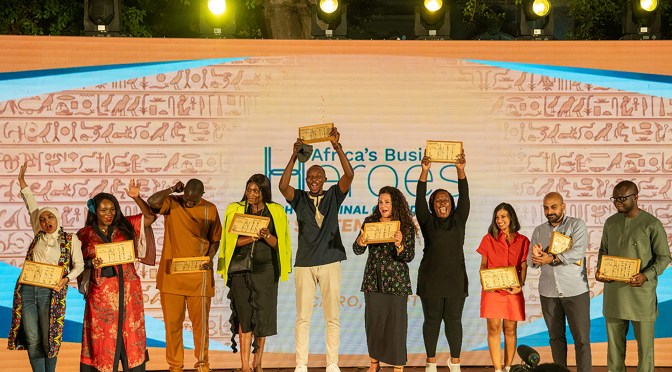
The Prize Competition is an annual initiative aimed at supporting and empowering entrepreneurs across Africa. Africa’s Business Heroes (ABH) is dedicated to identifying, supporting, and inspiring the next generation of African entrepreneurs who are driving impact in their communities, tackling pressing challenges, and building a more sustainable and inclusive economy.
ELIGIBILITY:
As an inclusive initiative, ABH welcomes applications from entrepreneurs:
Across all African countries, sectors, and age groups
With businesses that are formally registered, headquartered in Africa, and have a track record of at least three years.
In English and French
To be eligible for the ABH competition, you must meet the following criteria:
Founder or Co-founder—You must be the founder or co-founder of the business.
African Identity—You must be an African citizen or a direct descendant (child or grandchild) of an African citizen.
Business Presence in Africa—Your company must be registered, headquartered, and primarily operating in an African country.
Proven Market Traction—Your business must have at least three years of revenue and demonstrated market traction.
It is free to apply! You can create a free profile and begin your application here.
You can apply as many times as you like, but your business must show continuous growth and improvement each time you reapply. Just make sure that you are eligible based on the criteria each year.
The Requirements of the Application:
Complete and submit ALL mandatory questions in the online ABH application.
Record and upload a video introduction of yourself that is a maximum of 1 minute 30 seconds.
Nominate a reference who can provide details on your character, leadership, and achievements.
BENEFIT:
Learn about yourself & business
Receive invaluable feedback
Develop skills to tell your story
Join an entrepreneurship ecosystem
Access exclusive mentorship and training
Gain global recognition & exposure
Pitch to business legends and win your share of USD $1.5 million:
| 1st Prize Winner | $300,000 |
| 2nd Prize Winner | $250,000 |
| 3rd Prize Winner | $150,000 |
| Other Top 10 Finalists (7) | $100,000 |
| Training Opportunities | $100,000 |

 YouthExpat